
The Guilt of Choosing Memory Care and How It Can Be an Expression of Love
When you love someone, it can be difficult to imagine trusting anyone else with their care.
Maybe this is the person who raised you. The spouse who has been beside you for decades. The person you have always turned to for advice or counted on when life became difficult.
Now, you may be considering memory care for them, and guilt has become part of the decision.
You might wonder whether you can continue caring for them on your own. You may replay promises you made or question whether considering memory care means you have let down someone who has always been there for you.
Guilt about choosing memory care can feel very convincing. But feeling guilty is not necessarily evidence that you have done something wrong.
In fact, understanding where that guilt comes from may change the way you look at the decision in front of you.
Why Loving Caregivers Often Experience Guilt
Family caregivers can hold themselves to incredibly high expectations.
When someone you love is living with Alzheimer’s disease or another form of dementia, you may feel responsible for making sure they have everything they need. Because you know them so well, it can be easy to believe you should also be able to provide all of their support yourself.
The Alzheimer’s Association recognizes guilt as one of the emotions caregivers may experience and notes that it can be connected to expectations, such as believing you should be able to do everything for the person you love.
That is an important distinction.
Family caregiver guilt and dementia often become intertwined because caregiving is deeply personal. The harder the decision feels, the easier it can be to interpret that difficulty as a sign that you are doing something wrong.
Guilt Is an Emotion, Not a Verdict
When guilt shows up, it can sound certain.
I should be able to handle this.
I told them I would always take care of them.
What if considering memory care means I have failed them?
Those thoughts deserve to be acknowledged, but they do not have to be treated as facts.
You can love someone and still feel uncertain about what to do. You can recognize that additional support may be needed and wish the circumstances were different. You may feel grief over what has changed while also feeling some relief at the thought of having more support. You may be unsure about what comes next while still hoping for days filled with comfort and connection for the person you love.
These emotions do not cancel one another out. Feeling relief does not mean you wanted things to change. Feeling uncertain does not mean you are ignoring what your loved one needs. And feeling guilty does not automatically mean the decision you are considering is wrong.
There is no requirement that you feel completely at peace before you can make a thoughtful decision.
Rather than asking yourself to stop feeling guilty, it may be more helpful to become curious about where the guilt is coming from. Is there something you genuinely wish you had done differently? Or are you holding yourself to an expectation that no one person could reasonably meet?
Sometimes, simply understanding why you feel guilty can help you see the decision a little differently.
When the Promise You Made Meets the Needs of Today
For some families, the guilt is tied to a promise.
Perhaps you promised your spouse that you would always take care of them. Maybe your parent once told you they never wanted to leave their home, and you promised you would do everything you could to make that possible.
Those promises were made out of love. They deserve to be taken seriously.
They were also often made before anyone knew how life with dementia might change over time or what kind of support would eventually be needed.
When circumstances change, honoring a promise may mean looking honestly at what the person you love needs today. Their comfort matters. So does their dignity and the way they experience each day.
Changing how you care for someone does not erase the promise you made or the love behind it. In some situations, being willing to recognize that their needs have changed can be one of the most respectful ways to honor that promise.
You are still making decisions with the same intention that was there from the beginning: to care for someone you love in a way that respects who they are.
Ask What Honors the Person You Love Now
Guilt tends to turn the questions inward.
Am I doing enough?
Should I be able to keep doing this?
It may help to shift the focus back to the person at the center of the decision:
What would best honor the person I love right now?
Think about who they are beyond dementia. What routines have always mattered to them? What brings them comfort? Which relationships are especially important? What parts of daily life help them stay connected to who they are?
They are still the parent whose advice you have always trusted or the spouse who has shared decades of life with you. They may still be the storyteller everyone listens to or the person who has always looked out for the family.
A dementia diagnosis does not erase a lifetime.
The person you love still carries their history and relationships with them. Their preferences still matter. Their dignity still matters. The ways they experience connection still matter.
Keeping those things at the center can help you consider the decision based not only on what you wish could stay the same, but on what honors the person you love as they are today.
Letting Others Help Does Not Make Your Love Smaller
Accepting help with dementia care can be especially difficult when providing care has become one of the primary ways you express love.
But love is not measured by how many responsibilities you personally carry. Needing help does not take away from the care you have already given or the role you continue to have in your loved one’s life.
Allowing other people to help does not hand your place in your loved one’s life to someone else.
You still know the stories behind the family photographs. You know the traditions they care about and the people whose names have filled their life. You understand the values that have guided them.
Professional support can add people to the circle surrounding someone you love. It does not take your place within it.
Keep Their Wishes and Preferences Part of the Conversation
As you consider what comes next, make room for what the person you love has expressed about their own care and daily life.
They may have shared what matters to them in conversations over the years or expressed preferences more recently. When possible, continue to include them in conversations about their care and to listen to what they want.
Their wishes may not answer every question that comes up, but they are an important part of the decision. Keeping their voice present helps ensure the conversation remains centered on who they are and what matters to them.
Making a Decision You Can Return to With Confidence
There may not be one conversation or moment that makes the decision suddenly feel clear. When guilt or doubt comes back, it can help to return to the questions that keep the focus on the person you love and what they need now.
Consider asking:
- What changes have we observed?
- What does my loved one need now?
- What has my loved one expressed about their wishes and preferences?
- What routines, relationships, and parts of their identity matter most?
- What support would help protect their dignity, comfort, and connections?
- What can our family realistically continue to provide?
- Who can help our family consider the decision thoughtfully?
You do not have to answer these questions alone. A trusted family member or healthcare professional may offer a perspective you have not considered. A caregiver support group or memory care community can also provide space to ask questions and better understand the options available to you.
The goal is to bring together the people and perspectives that matter in the decision, including the person you love whenever possible. With the right information and support, your family can consider what reflects their needs and the life they are living now.
Offer Yourself the Same Compassion You Give Them
Caregivers often show a great deal of patience and understanding to the person they love while expecting much more from themselves.
You may feel like you should always know what to do or have more energy than you do. You may question yourself on the hard days or wonder whether you could somehow be doing more.
But caring for someone you love does not mean you have to have all the answers or carry every responsibility on your own.
The National Institute on Aging encourages caregivers to accept help and pay attention to their own well-being. Taking care of yourself does not lessen your commitment to the person you love. It can help you continue to be present in their life in ways that matter to both of you.
It is also important to give yourself somewhere to work through what you are feeling. That might mean talking openly with someone you trust or joining a caregiver support group where others understand some of what you are experiencing. Writing down your thoughts can also help you sort through emotions that may be difficult to put into words. If you need more support, a counselor or another trusted professional can help you work through those feelings without judgment.
You may still have moments of guilt, grief, or doubt even after you have made a decision. Giving yourself some of the same patience and understanding you offer the person you love can help you move through those moments without expecting yourself to have everything figured out.
Love Is Not Measured by Where Care Takes Place
There is no single decision that is right for every person living with dementia or every family. What matters is continuing to make decisions with the person you love at the center.
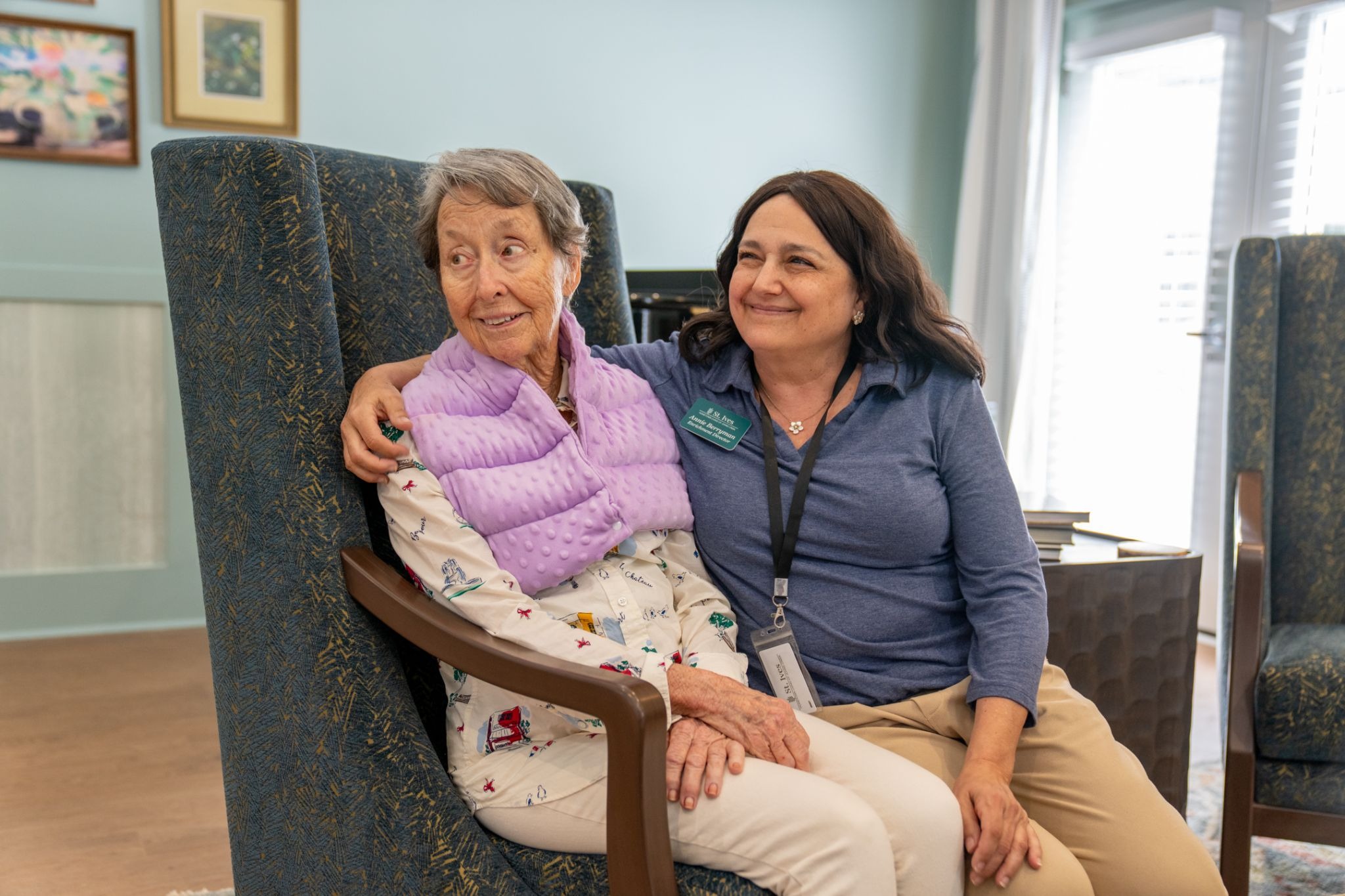
Choosing memory care does not change who you are to them or what they mean to you. You are still their daughter or son, their spouse or family member. Your history together remains, and so does the love you bring to decisions about their care.
For some families, choosing memory care may be one way to honor that love by recognizing when a different kind of support is needed. Your role in their life does not become less important because others are there to help care for them.
At St. Ives Hometown Living of Johns Creek, that understanding is part of our home-style approach to memory care. We believe the person you love should continue to be known for who they are, with familiar routines and relationships remaining an important part of everyday life. Family continues to have an important place in that life, too.
If memory care is something your family is beginning to consider, reach out to the St. Ives team. We would be glad to get to know you and the person you love, answer your questions, and be a source of support as you consider what comes next.
Additional Resources: Visit our Memory Care Resources for Families for helpful information as you explore memory care, or download our free guide for compassionate guidance on staying connected and creating meaningful moments throughout the dementia journey.
Choosing memory care does not change how much you love someone or the place you have in their life. You can continue to look for ways to be together and connect in the moments you share.
St. Ives Hometown Living of Johns Creek is a memory care community in Johns Creek, Georgia, offering personalized Alzheimer’s and dementia care in a warm, hometown-inspired setting. Guided by the belief that residents should belong, flourish, and thrive, St. Ives provides 24/7 support in a secure environment where care is rooted in compassion, respect, and dignity. Through personalized care plans and familiar daily routines, we focus on helping residents feel supported while giving families peace of mind when searching for memory care in Johns Creek, GA and surrounding areas.


